Hospital laboratory outreach growth depends on more than testing capacity. Community practices also need convenient ways to place electronic orders, receive results in familiar systems, and work with the laboratory without extra administrative overhead. Electronic ordering, EHR connectivity, a provider portal, standardized requisitions and labels, and reliable results delivery all make a hospital laboratory easier for outside practices to use. Lifepoint Informatics supports hospital and laboratory outreach with EHR integration, Provider Web Portal workflows, HL7 and FHIR interoperability, interface monitoring, and related connectivity tools.
Why Digital Connectivity Matters in Hospital Laboratory Outreach
Hospital laboratories serve two distinct groups at the same time: internal health-system users and independent community practices. Those external practices come with different EHR vendors, ordering preferences, result-delivery requirements, and staffing realities. As an outreach program expands, the laboratory has to accommodate those differences without letting manual processes pile up.
The practical question is straightforward: how easy is it for a community provider to do business with the laboratory? A few things determine the answer:
- Can the practice order tests electronically?
- Do results return to the provider’s normal clinical workflow?
- Is there a browser-based fallback when a direct EHR interface isn’t available?
- Can the laboratory standardize requisitions, labels, and order information?
- Can interface activity be monitored before something breaks quietly?
When those workflows are fragmented, staff compensate with paper, manual re-entry, and faxes. Electronic connectivity removes the avoidable friction, even if it doesn’t eliminate every exception.
A Practical Connectivity Strategy for Hospital Outreach Labs
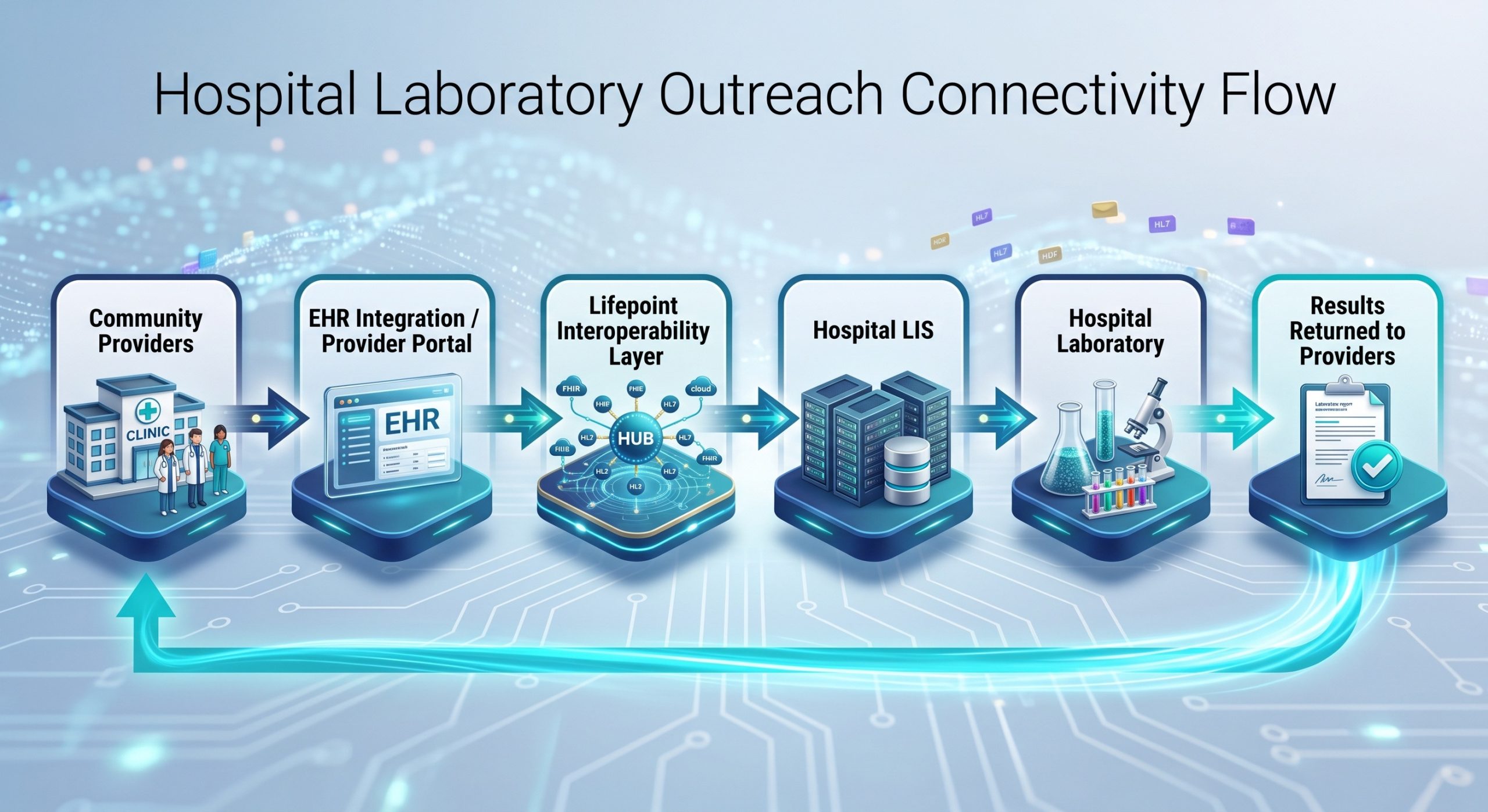
A scalable outreach strategy gives practices more than one way to connect with the laboratory. Direct EHR integration works well for practices that want ordering and results inside their existing clinical system. A Provider Portal covers practices that need a browser-based option when a direct interface isn’t feasible, or their volume doesn’t justify one.
This hub-oriented approach lets a hospital laboratory add external practices without treating every new relationship as a separate integration project. Community providers connect through EHR integration or the Portal, pass through an interoperability layer, reach the hospital LIS, and receive verified results back through whichever delivery channel fits their workflow.
Make Electronic Lab Ordering Easier for Community Practices
Electronic ordering reduces reliance on handwritten requisitions and the transcription errors that come with them. Depending on how a practice is set up, providers place orders through their EHR or through a secure web portal. Either way, the goal is the same: capture structured patient and order information, test selection, and any required diagnosis codes early in the process, so the laboratory doesn’t spend time chasing down what it needs after the specimen arrives.
Computerized Provider Order Entry (CPOE) allows authorized clinicians and staff to enter orders electronically. For laboratory outreach, CPOE is useful when that electronic order moves through the interoperability layer and into the laboratory workflow without requiring anyone to rebuild it from a paper form. The value is in reducing how many handoffs happen before the test gets processed.
Connect Community EHRs to the Hospital LIS
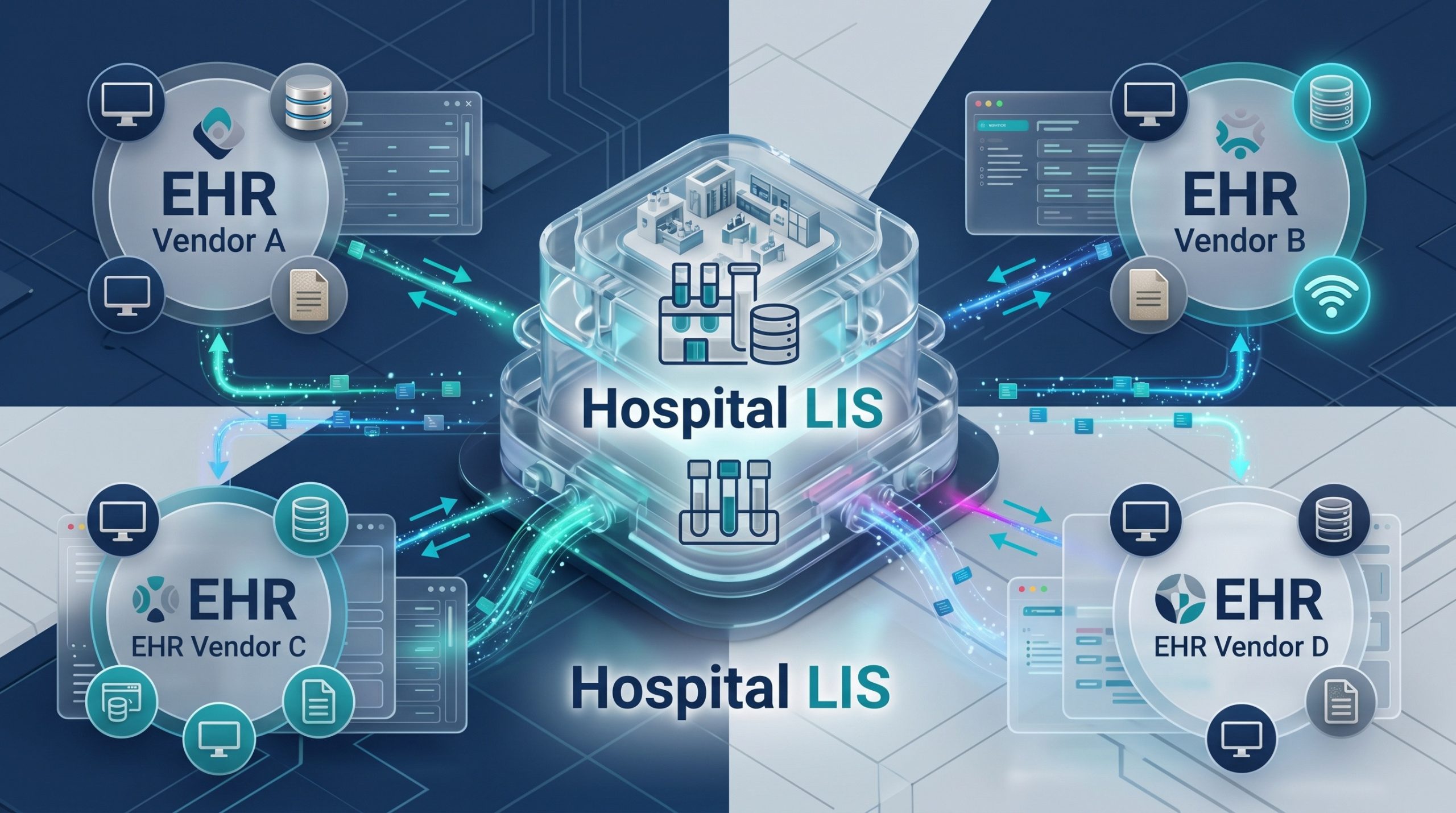
Direct EHR connectivity works well for practices that want laboratory ordering and results integrated with their existing clinical workflow. Lifepoint’s EMRHub and EHR integration services support:
- Uni-directional and bi-directional interfaces
- Centralized hub connectivity
- Mapping, translation, and ongoing monitoring
- Implementation support
Lifepoint’s public materials indicate support for more than 500 EHR vendors across over 20,000 established interfaces. Each new project still needs evaluation against the specific EHR version, LIS, data requirements, and workflow involved.
The hub model centralizes connectivity across multiple provider systems. Rather than managing a separate custom connection for every practice, the hub handles mapping, translation, routing, and monitoring in one consistent layer. For a closer look at how EHR integration functions in outreach programs, Lifepoint’s EMRHub documentation covers bi-directional connectivity and hub-based routing in more detail.
Provide a Provider Portal When Direct Integration Isn’t the Right Fit
Not every outreach account needs a direct EHR interface. A Provider Portal gives authorized healthcare providers a browser-based way to work with supported laboratory workflows, without requiring a full integration build on either side.
Lifepoint’s Provider Web Portal includes modules for results, orders, standing orders, printing, reports, manual results entry, document loading, supply ordering, and customization. It also supports branding with a laboratory or hospital logo, which helps the relationship feel like an extension of the provider’s workflow rather than a separate tool.
The portal and direct EHR integration aren’t competing approaches. They serve different accounts and different situations within the same program, and some practices will move from one to the other over time.
Improve Requisition and Specimen-Collection Workflows
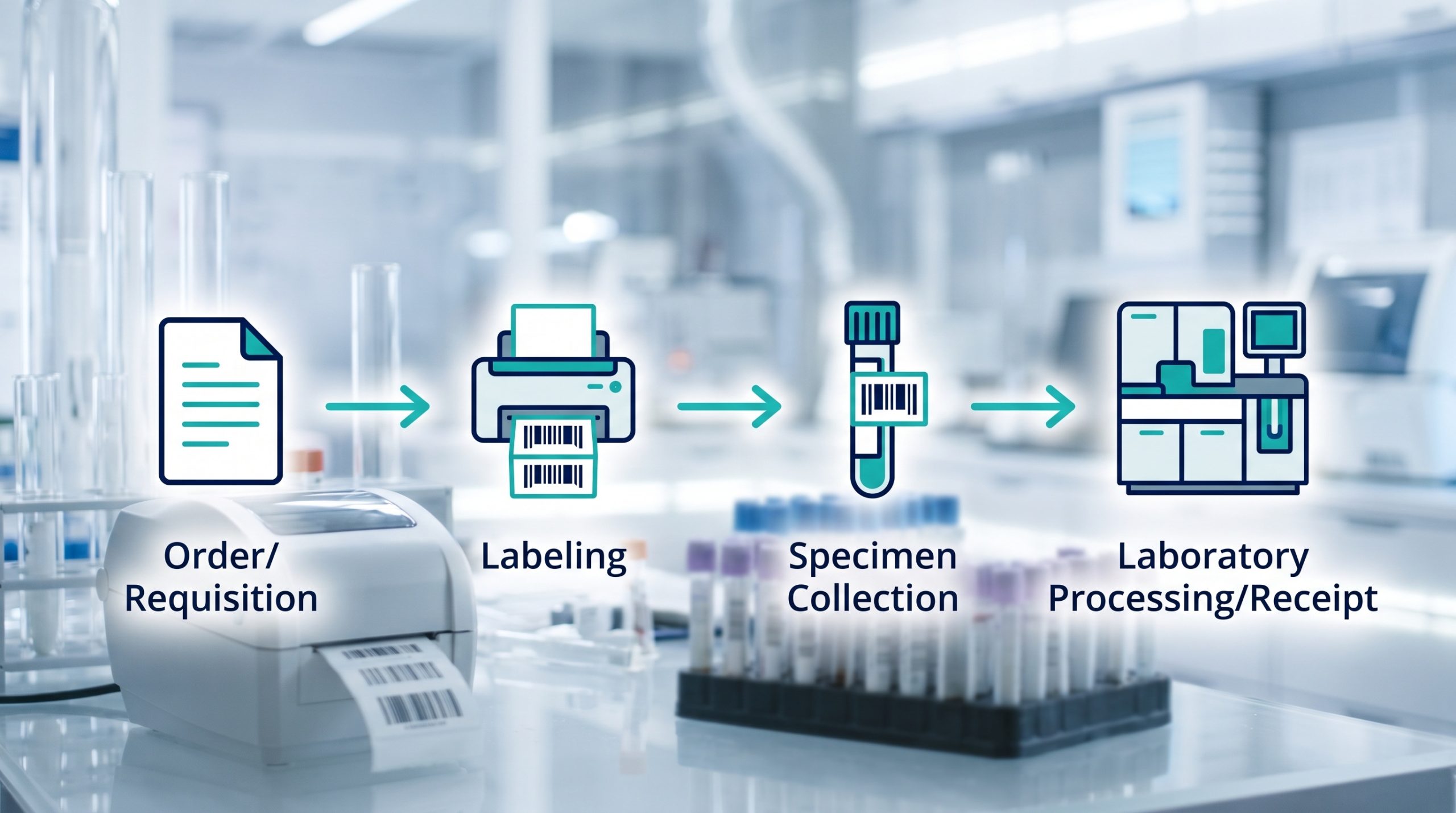
Electronic ordering is one part of the pre-analytical workflow. The laboratory still needs a reliable way to connect that order to the physical specimen that shows up for testing, and that handoff is where a lot of preventable problems originate. Standardized requisitions and barcode-label workflows close that gap. Where supported, Lifepoint printing tools generate requisitions and specimen labels directly from electronic order information.
Barcoding doesn’t eliminate specimen identification errors, and it doesn’t mean every specimen bypasses accessioning. The benefit is fewer manual steps between order placement and specimen receipt, not removing the clinical checkpoints that actually matter.
Deliver Results Through the Workflow the Provider Actually Uses
Result delivery drives more of the provider experience than most outreach teams realize. A laboratory that tests quickly but delivers results poorly loses the relationship over time.
Interfaced practices receive discrete results mapped and transmitted directly to their EHR. Practices on the portal access results through browser-based views of available laboratory and diagnostic information. Other Lifepoint solutions support additional delivery workflows depending on configuration.
One distinction worth holding onto: connectivity improves how results are exchanged, not how long the analysis itself takes. Turnaround time still depends on collection, transportation, testing, verification, and staffing. The improvement is real, but it sits in delivery, not in the lab.
Use Mapping and Normalization to Support Multi-Vendor Connectivity
Community practices don’t represent tests, diagnoses, and result fields in a single consistent way. Different EHR vendors use different code sets, naming conventions, and message structures. An interoperability layer translates and normalizes that information between the provider environment and the laboratory’s systems. Relevant capabilities include:
- Test and compendium mapping
- Translation tables
- Message transformation and routing
- Support for HL7 and FHIR-based workflows
- Monitoring of interface exceptions
One distinction worth keeping straight: HL7 and FHIR are not interchangeable terms. FHIR is an HL7 standard, and healthcare organizations regularly run both side by side. Treating them as equivalent creates confusion during implementation planning.
Monitor Interfaces as the Outreach Network Expands
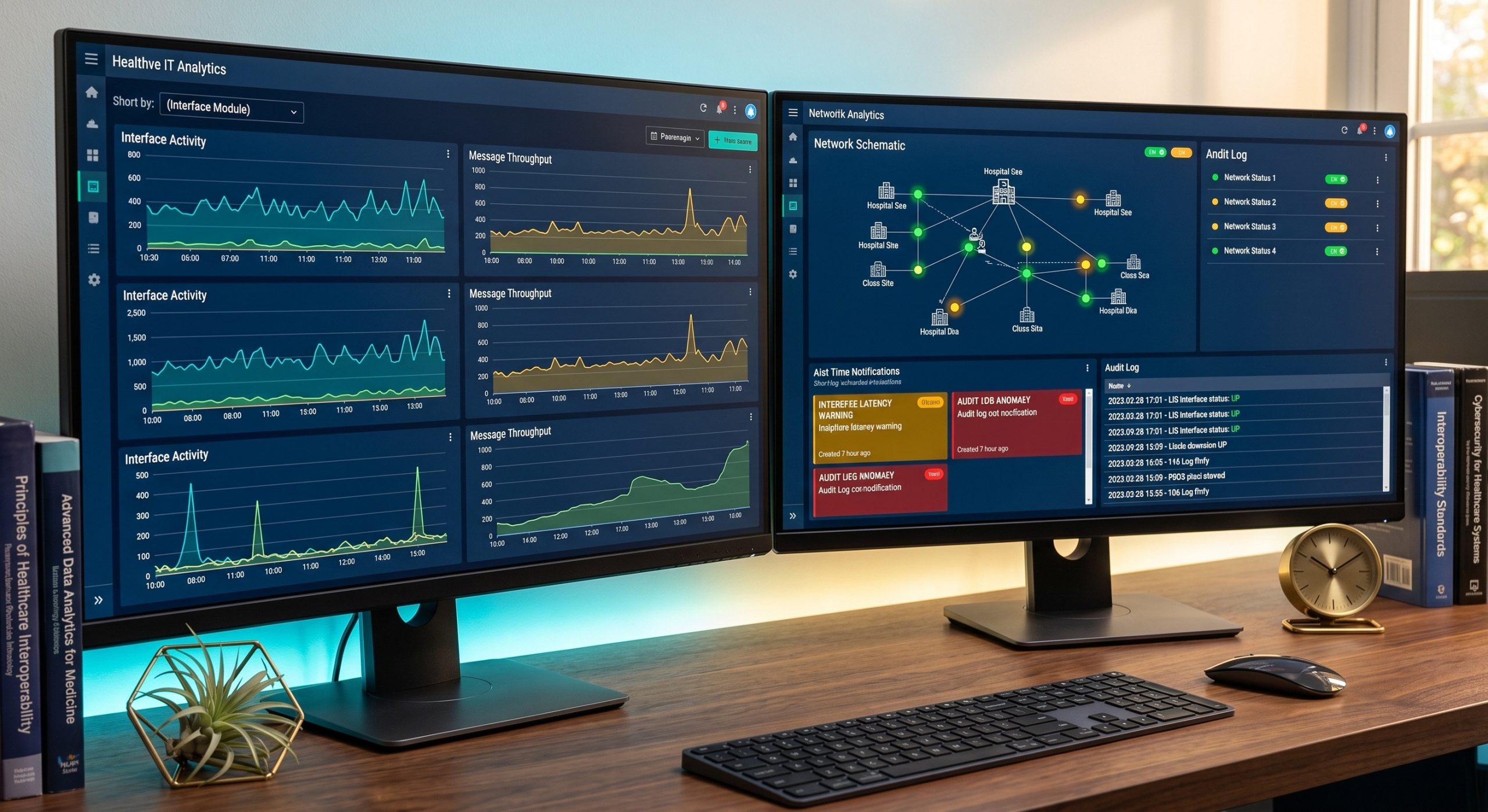
Launching an interface doesn’t end the work. Interfaces need monitoring, maintenance, and coordination whenever connected systems or workflows change. A laboratory with 30 active outreach accounts has 30 potential points of quiet failure. Lifepoint’s EHR integration materials describe a real-time Interface Dashboard with audit tracking, alerting, project management, and around-the-clock monitoring and support.
Monitoring reduces the risk that an issue goes unnoticed for days. It doesn’t guarantee uninterrupted connectivity or zero transaction loss, but it shortens the window between a problem starting and someone fixing it.
Reduce the Operational Burden on Hospital IT
Hospital IT teams support a long list of competing priorities. An outreach program that demands significant internal IT resources to build and maintain every interface will run into resistance eventually, or run slowly from the start.
A managed interoperability partner takes on portions of interface planning, mapping, testing, implementation coordination, and ongoing support. That relieves some pressure, but hospital IT still stays involved. LIS configuration, network access, security requirements, governance, and change management all require internal participation. Successful integrations require coordination across the hospital laboratory, internal IT, the provider practice, the EHR vendor, the LIS vendor, and the integration partner.
Support Insurance and Medical-Necessity Workflows Carefully
Eligibility and medical-necessity tools shift certain checks earlier in the ordering process. When configured for the relevant workflow, eligibility transactions help staff identify coverage information before billing becomes an issue, while medical-necessity workflows surface coverage-related requirements at the time of ordering.
These tools reduce the number of surprises downstream. They don’t prevent all claim denials or guarantee reimbursement. Eligibility confirms information available from the payer at the time of the inquiry. Final payment still depends on coding, documentation, authorization, medical necessity, and payer-specific rules that no eligibility check can fully anticipate.
Measure Outreach Performance Without Overpromising AI
Outreach leaders benefit from visibility into order volumes, interface activity, exceptions, and related metrics. That data helps teams identify trends and prioritize follow-up before small problems become larger ones.
Claims about predictive churn models, conversational AI, automated financial optimization, or clinical interpretation belong on the page only when the specific Lifepoint feature, data inputs, validation methodology, and intended use have been confirmed internally. For SEO and AI-search visibility, precise product descriptions carry more weight than broad AI claims that aren’t tied to anything concrete.
EHR Integration vs. Provider Portal: Which Helps Win Outreach Business?
| Consideration | Direct EHR Integration | Provider Portal |
|---|---|---|
| Where the provider works | Inside the provider’s EHR/EMR workflow | In a secure web browser |
| Ordering | Can support electronic orders when a bidirectional workflow is implemented | Can support portal-based electronic ordering |
| Results | Can return supported results to the EHR | Provides browser-based access to available results |
| Best fit | Practices prioritizing native EHR workflow | Practices needing browser-based access or an alternative to direct integration |
| Relationship | Can be used alongside a Provider Portal | Can be used alongside EHR integration |
The right model depends on the account. Outreach programs that try to push every practice through the same connectivity method end up with a mix of practices that are either underserved or disconnected entirely.
How Lifepoint Informatics Supports Hospital Laboratory Outreach
Since 1999, Lifepoint Informatics has focused on clinical integration, laboratory outreach, EHR connectivity, and healthcare interoperability. Its current product portfolio includes EMRHub/EHR integration, HL7 Hub, Provider Web Portal, CPOE connectivity, FHIR API capabilities, mobile orders and results, cloud printing, and other workflow tools.
The practical value for hospital laboratories is the ability to combine multiple connectivity options around the existing LIS, rather than requiring every community provider to work the same way. What fits depends on the hospital’s outreach strategy, provider population, existing technology, and implementation requirements. Contact Lifepoint Informatics to discuss what that looks like for your program.
Frequently Asked Questions
Can a hospital laboratory support both EHR interfaces and a Provider Portal?
Yes. The two work alongside each other. Direct EHR integration serves practices that want laboratory workflows inside their existing EHR, while the Provider Portal covers other accounts.
Does electronic ordering eliminate paper requisitions?
It reduces reliance on handwritten requisitions, but some organizations still require printed documentation for specific workflows. The goal is to capture structured order information electronically and cut unnecessary manual transcription where possible.
Can Lifepoint connect a hospital LIS with different EHR vendors?
Lifepoint’s materials describe a hub-based integration model and support for more than 500 EHR vendors, with over 20,000 established interfaces. A specific connection still needs to be confirmed against the hospital’s LIS, EHR version, workflow, and required data exchange.
Does EHR connectivity automatically improve laboratory turnaround time?
No. Connectivity improves order transmission and result delivery. Analytical turnaround time also depends on specimen collection, transport, accessioning, testing, verification, staffing, and laboratory operations.
Does insurance eligibility verification guarantee payment?
No. Eligibility information helps identify coverage status earlier in the process, but it doesn’t guarantee claim payment or prevent denials.
Is FHIR replacing HL7 for laboratory integration?
Not in any straightforward way. FHIR is an HL7 standard, and healthcare organizations run FHIR alongside HL7 v2 messaging and other integration methods depending on their systems and workflows. The two coexist regularly.